



Waarom deze categorie bestaat
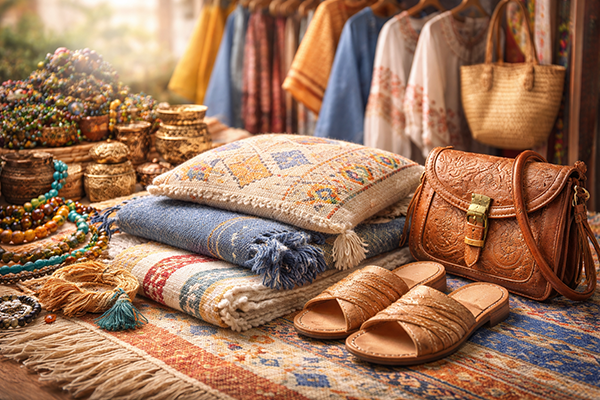
Textiel en crafts raken aan twee werelden tegelijk: de precisie van productie en de ziel van ambacht. In Marokko kom je een rijke traditie tegen van weven, borduren, verven, leerbewerking en het maken van producten die niet alleen “mooi” zijn, maar ook functioneel en duurzaam. Tegelijk is dit een sector waarin kwaliteit valt of staat met afspraken: materiaalkeuze, maatvoering, afwerking en controle. In deze categorie beschrijven we wat er in Marokko gebeurt rond textiel, mode en ambachtelijke productie, zonder promotie en zonder bedrijven aan te bevelen.
Wat je hier kunt verwachten aan blogs
De artikelen in deze categorie zijn bedoeld als praktische gids én als overzicht van wat er mogelijk is binnen B2B. We schrijven over hoe producties tot stand komen, hoe ateliers werken, welke keuzes je maakt bij materialen en afwerking, en hoe je van een proefserie naar consistente kwaliteit gaat. Je vindt hier geen webshopverhaal, maar thema’s die helpen om de sector te begrijpen en professionele samenwerking op te bouwen.
Materialen, afwerking en maatvoering als basis van kwaliteit
Kwaliteit begint bij de basis: welke stof, welke vezel, welke dikte, welke weving en welke behandeling? In onze blogs behandelen we hoe materialen zich gedragen in gebruik en transport, hoe kleur en verfprocessen invloed hebben op consistentie, en hoe afwerking het verschil maakt tussen “handgemaakt” en “professioneel”. Ook maatvoering komt terug: tolerantiegrenzen, grading, pasvorm en het belang van duidelijke tech packs of productspecificaties.
- Materialen: katoen, wol, linnen, blends en speciale wevingen
- Afwerking: naden, randen, voeringen, stiksels en detailwerk
- Maatvoering: specificaties, toleranties en controle op pasvorm
Productie: klein en serie met heldere stappen
Marokko is voor veel producttypes interessant omdat klein starten vaak mogelijk is, terwijl opschalen niet meteen betekent dat je kwaliteit moet inleveren. We beschrijven hoe productieprocessen doorgaans lopen: van sample en patronen naar een eerste batch, en daarna naar herhaalbare serieproductie. Daarbij komt ook de “handleiding” terug: hoe je de workflow vastlegt, welke controlepunten je inbouwt en hoe je voorkomt dat ieder batch net anders wordt.
- Samples en proefseries: leren, bijsturen en vastzetten van specs
- Processtappen: snijden, naaien, wassen, strijken, finishing en packing
- Seriebouw: kwaliteitschecklists, revisies en versiebeheer van patronen
Leer, tassen, schoenen en accessoires
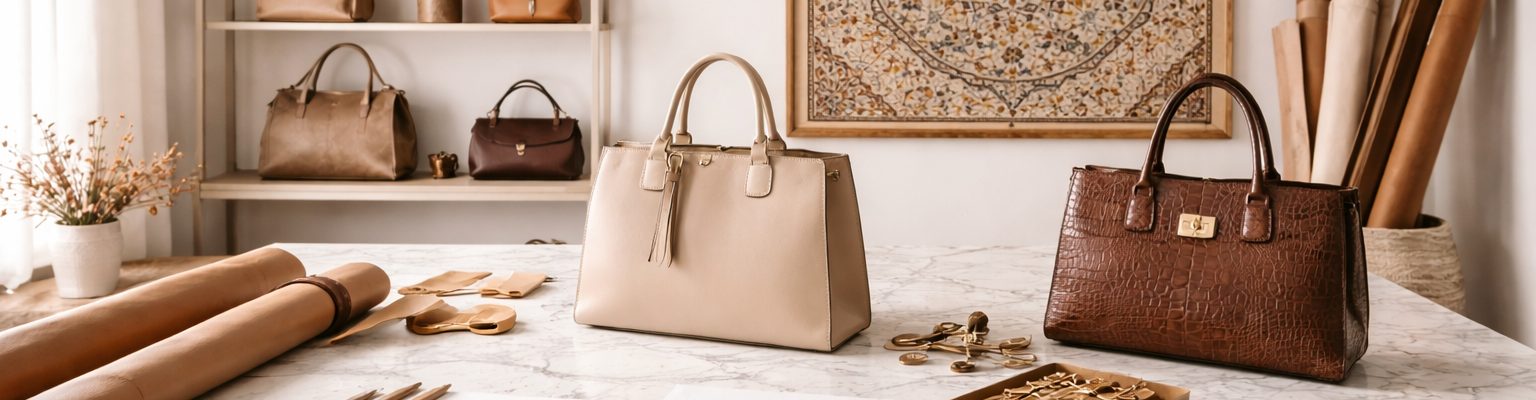
Naast textiel speelt leer in Marokko een herkenbare rol in ambachtelijke en industriële productie. In deze categorie komen blogs terug over leerbewerking, het verschil tussen soorten leer en afwerking, en over productgroepen zoals tassen, schoenen, riemen en accessoires. We beschrijven waar kwaliteitsverschillen vaak ontstaan: snijranden, stikwerk, hardware, voeringen, lijmwerk en duurzaamheid in dagelijks gebruik.
- Leerkwaliteit: dikte, nerf, soepelheid, afwerking en consistentie
- Constructie: stiksels, randen, verstevigingen, hardware en voering
- Duurzaamheid: slijtage, onderhoud en controle op terugkerende fouten
Kwaliteitscontrole die past bij B2B
Bij textiel en crafts is “inspectie” geen eindstap, maar een ritme door het hele proces. We schrijven over praktische kwaliteitscontrole: hoe je meet, wat je als acceptatiecriteria gebruikt, hoe je afwijkingen documenteert en hoe je met rework omgaat. Ook traceerbaarheid komt aan bod: batchcodes, materiaalpartijen, kleurpartijen en het bijhouden van productiedata zodat je later kunt herleiden waar iets misging.
- Controlepunten: inkomende materialen, in-proces checks en eindcontrole
- Acceptatiecriteria: wat is “goed genoeg” en wat is afkeur
- Traceerbaarheid: batches, kleurpartijen en productie-registratie
Levertijden, logistiek en verpakking
Goede samenwerking valt of staat met voorspelbaarheid. In deze categorie behandelen we hoe bedrijven planning realistisch maken: doorlooptijden, seizoensinvloed, capaciteit, en hoe je levermomenten afspreekt zonder vage beloftes. We beschrijven ook praktische aspecten van logistiek en verpakking: hoe je producten beschermt, hoe je labeling en packing lists organiseert en waarom consistente verpakking onderdeel is van kwaliteitsbeleving.
- Planning: lead times, capaciteitsinschatting en buffers
- Verpakking: bescherming, presentatie, consistentie en kosten
- Documenten: packing list, aantallen, varianten en versiecontrole
Ambacht, design en werken met makers en ateliers
Crafts is meer dan productie: het is samenwerken met mensen die technieken beheersen en een eigen werkritme hebben. In onze blogs beschrijven we hoe je design en ambacht laat samenwerken: het vertalen van een ontwerp naar maakbaarheid, het respecteren van technieken, en het maken van heldere afspraken over herhaalbaarheid. Ook komt aan bod welke benodigdheden vaak een rol spelen: patronen, mallen, materialen, garens, verfstoffen en het organiseren van werkprocessen in ateliers.
- Ontwerp naar maakbaarheid: patronen, mallen en duidelijke instructies
- Atelier-samenwerking: communicatie, feedbackrondes en kwaliteit borgen
- Benodigdheden: materialen, garens, verfstoffen en tools als basis voor consistentie
Wat deze categorie kan opleveren
Als kwaliteit, processen en samenwerking kloppen, ontstaat er ruimte voor sterke productlijnen: textiel, mode, leer en ambachtelijke producten die betrouwbaar te herhalen zijn, ook in kleinere series. Deze categorie helpt je de sector te begrijpen en de juiste vragen te stellen. Geen promotie, maar registratie en inzicht in hoe het werkt in de praktijk, met Marokko als context binnen internationale B2B.
Tot slot
Deze categorie gaat over registratie en inzicht: materialen, productie, kwaliteitscontrole, logistiek en het samenwerken met makers en ateliers in Marokko. Zo krijg je een helder beeld van wat er mogelijk is, welke stappen erbij horen en waar je op let om professioneel en duurzaam samen te werken.