Industrie & Metaalbewerking in Marokko van toelevering tot assemblage en internationale samenwerking
Industrie en metaalbewerking in Marokko is breder dan “grote fabrieken”. Je vindt er een mix van toeleveranciers, familiebedrijven, midden- en kleinbedrijf
en gespecialiseerde werkplaatsen die zich richten op plaatwerk, laswerk, verspaning, coating, montage en eenvoudige assemblage. In deze categorie lees je
beschrijvende blogs over wat er is in Marokko: hoe productie in de praktijk wordt georganiseerd, welke mogelijkheden je tegenkomt, en welke context belangrijk is
wanneer Europese inkopers, fabrikanten en logistieke partners samenwerken—zonder promotie en zonder verkoop.
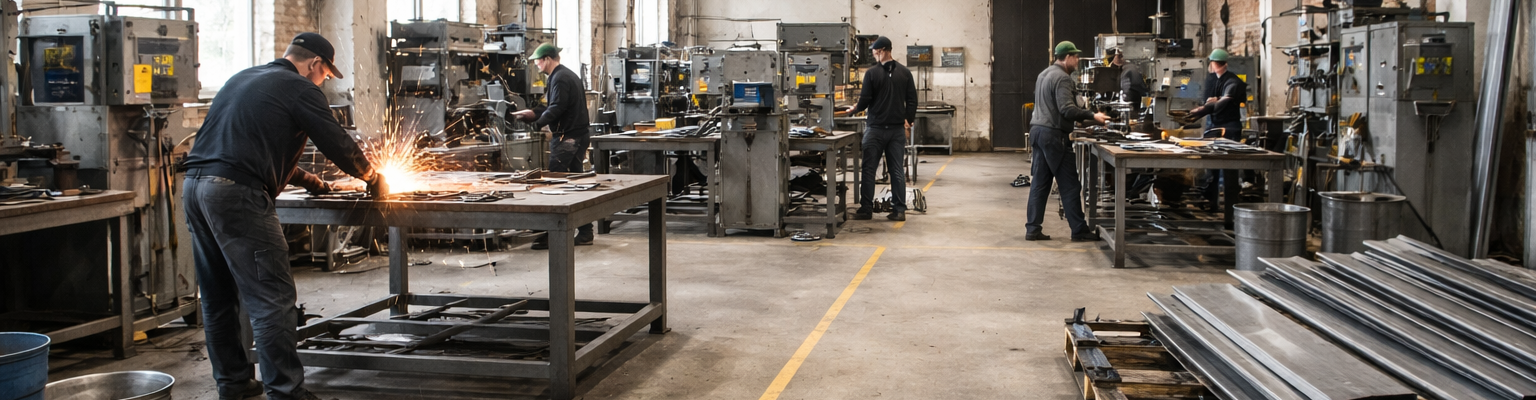
Het industriële landschap: van MKB tot grotere productieclusters
Marokko kent verschillende vormen van productiebedrijvigheid. Naast grotere industriële zones zijn er veel kleinere productiebedrijven die flexibel werken
en zich snel kunnen aanpassen aan opdrachten. In onze blogs beschrijven we het landschap: welke typen metaalbedrijven je tegenkomt, hoe toeleveranciers zich
positioneren, en waarom sommige regio’s zich sterker ontwikkelen in bepaalde disciplines. Ook kijken we naar wat “kleine productie” in de praktijk betekent:
korte series, maatwerk, reparatie-opdrachten of onderdelen die snel geleverd moeten worden.
Processen die je vaak tegenkomt
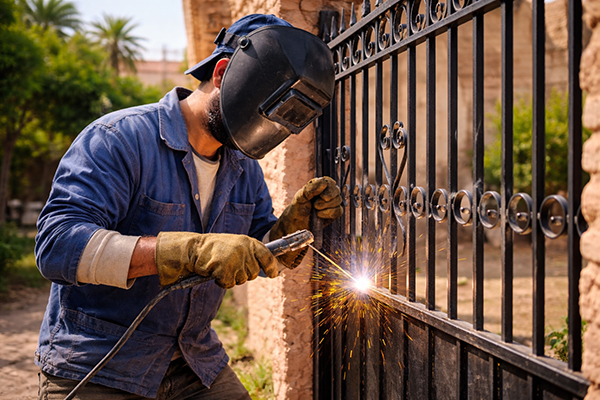
Metaalbewerking is een keten van stappen. In deze categorie leggen we uit hoe processen doorgaans samenhangen: van snijden en buigen van plaatwerk tot lassen,
boren, tappen, draaien en frezen, en van oppervlaktebehandeling (coaten, verzinken, anodiseren) tot (sub)assemblage. We beschrijven welke keuzes invloed hebben
op kwaliteit en doorlooptijd, en waarom een ogenschijnlijk “kleine” stap — zoals ontbramen of reinigen — in de praktijk veel uitmaakt voor pasvorm en afwerking.
Toleranties, materialen en tekeningen als gemeenschappelijke taal
In B2B gaat het vaak mis op details: een maat die nét afwijkt, een passing die niet klopt, of een materiaal dat niet overeenkomt met de verwachting.
Daarom besteden we aandacht aan toleranties, materiaalkeuze en specificaties. Je leest hoe bedrijven omgaan met technische tekeningen, maatvoering,
oppervlaktespecificaties en functionele eisen. Ook behandelen we het verschil tussen “maakbaar” en “herhaalbaar”: wat er nodig is om een prototype om te zetten
naar een stabiele serieproductie, inclusief meetmethodes en controlepunten.
Kwaliteitsnormen en controle in de praktijk
Kwaliteit is niet alleen het eindresultaat, maar ook het proces: welke controles voer je uit, op welk moment, en hoe leg je dat vast?
In deze categorie vind je blogs over kwaliteitsnormen en werkafspraken: meetrapporten, visuele inspectie, steekproeven, traceerbaarheid van materiaal,
en het belang van duidelijke acceptatiecriteria. Niet als “certificatenlijst”, maar als praktische context: hoe je kwaliteit bespreekbaar maakt en hoe je
voorkomt dat interpretatieverschillen later kosten en vertraging opleveren.
Offertes, prototypes, series en levertijden
Offertes in metaalbewerking draaien vaak om meer dan prijs. Materiaal, bewerkingsstappen, insteltijd, nabewerking en verpakking bepalen samen de kostprijs.
In onze blogs beschrijven we hoe offerteprocessen vaak verlopen: wat bedrijven nodig hebben om een prijs te berekenen, welke vragen terugkomen, en waarom
onduidelijke scope zorgt voor ruis. Daarnaast behandelen we de route van prototype naar serie: hoe je iteraties organiseert, hoe je wijzigingen documenteert
en hoe levertijden samenhangen met capaciteit, inkoop van materiaal en planning.
Lage lonen zijn niet hetzelfde als lage totale kosten
Marokko wordt soms gezien als “kostenefficiënt” door arbeidskosten, maar in internationale samenwerking tellen ook andere factoren mee:
communicatie, foutkosten, herwerk, verpakking, transport en planning. In deze categorie plaatsen we dit in perspectief. We beschrijven hoe je totale kosten
realistischer beoordeelt, waarom specificaties en kwaliteitscontrole hierbij cruciaal zijn, en hoe je samenwerking zo inricht dat lagere lonen niet worden
“opgegeten” door misverstanden of inconsistentie.
De rol van toeleveranciers en logistieke partners
In veel trajecten gaat het niet om één bedrijf, maar om een keten. Een plaatwerker, een lasser, een coater en een assembler kunnen samen één product opleveren.
Daarom besteden we aandacht aan ketensamenwerking: wie is verantwoordelijk voor welke stap, hoe worden onderdelen verpakt en getraceerd, en hoe voorkom je
dat kleine afwijkingen zich opstapelen. Ook logistiek speelt mee: lead times, consolidatie, beschadiging voorkomen en het organiseren van levermomenten
zodat productie in Europa kan doorlopen.
Overige industrie: meer dan metaal
Hoewel deze categorie een focus heeft op metaalbewerking, raken veel onderwerpen ook andere industrieën: kunststof onderdelen, eenvoudige elektronica-assemblage,
kabelconfectie, verpakking, onderhoud en technische dienstverlening. We beschrijven waar die raakvlakken zitten en waarom “industrieel vermogen” vaak ontstaat
door combinaties: een werkplaats die metaal kan, maar ook montage en verpakking beheerst, of een toeleverancier die snel kan schakelen bij kleine series.
Wat je in deze categorie kunt verwachten
-
Metaalbedrijven in context: MKB, werkplaatsen, toeleveranciers en hoe productieclusters in Marokko zijn opgebouwd.
-
Procesuitleg: plaatwerk, lassen, verspaning, oppervlaktebehandeling en (sub)assemblage—en hoe de stappen elkaar beïnvloeden.
-
Specificaties en toleranties: tekeningen, maatvoering, materiaalkeuze en wat nodig is voor herhaalbare series.
-
Kwaliteit en normen: controlepunten, meetrapporten, acceptatiecriteria en hoe je kwaliteit praktisch organiseert.
-
Offertes en planning: prototypes, series, levertijden en hoe je scope en wijzigingen helder houdt.
-
Keten en logistiek: samenwerking tussen inkopers, fabrikanten en logistieke partners—met focus op doorloop en betrouwbaarheid.
Waarom dit relevant is voor B2B
Industrie & Metaalbewerking draait om precisie, afspraken en voorspelbaarheid. Door de context te begrijpen—van processen en toleranties tot planning en ketenrollen—
kun je betere vragen stellen, risico’s beperken en samenwerking rustiger laten verlopen. Deze categorie is daarom bedoeld als kennislaag: beschrijvend,
helder en toepasbaar voor iedereen die Marokkaanse productie en toelevering wil begrijpen binnen een B2B-kader.
Tot slot
In deze categorie brengen we de praktijk van industrie en metaalbewerking in Marokko samen: wat er is, hoe het werkt, en waar je op moet letten wanneer je
samenwerkt over grenzen heen. Geen promotie, geen aanbevelingen en geen verkoop—wel blogs die de sector tastbaar maken, van kleine producties tot ketens
richting Europa, met aandacht voor kwaliteit, communicatie en realistische uitvoering.