Food & Agro in Marokko van tuinbouw tot eetcultuur en internationale ketens
Food & Agro in Marokko is een wereld waar traditie en schaalvergroting elkaar ontmoeten. Je ziet het in de tuinbouw die steeds professioneler wordt,
in de voedselproductie die meebeweegt met exporteisen, en in de eetcultuur waarin gerechten en specerijen niet alleen smaak geven, maar ook identiteit.
In deze categorie lees je beschrijvende blogs over wat er is in Marokko: hoe ketens zijn opgebouwd, welke ontwikkelingen spelen, en welke context
belangrijk is voor samenwerking tussen Marokko en Europa—zonder promotie en zonder verkoop.
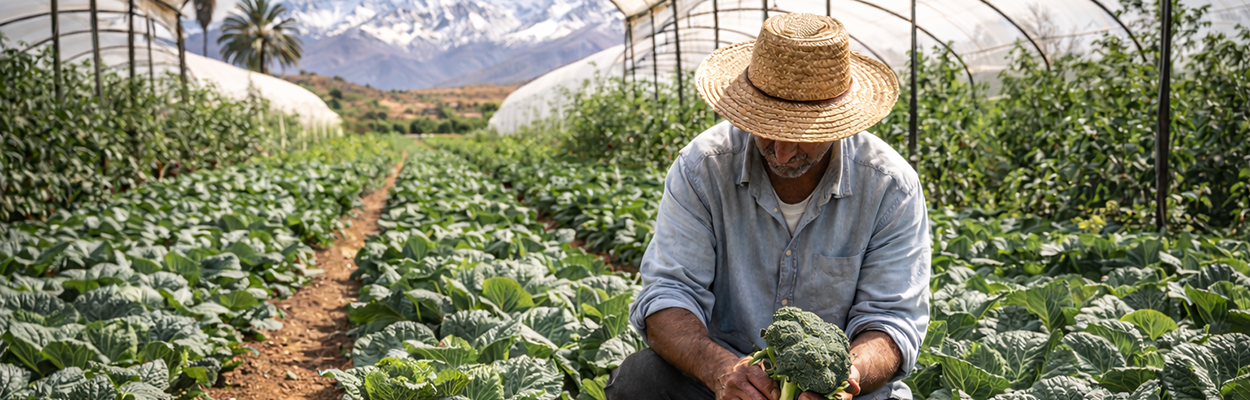
Tuinbouw als motor van groei
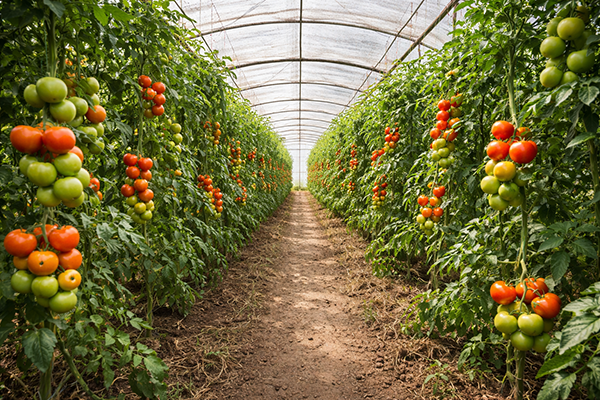
De Marokkaanse tuinbouw is in veel regio’s uitgegroeid tot een belangrijke economische pijler. Van kassen en open teelt tot moderne irrigatie en
teeltplanning: het landschap is divers en verandert snel. In onze blogs beschrijven we hoe tuinbouwgebieden zich ontwikkelen, welke factoren groei
stimuleren en waar de sector tegenaan loopt. Denk aan waterbeheer, klimaat, arbeid, investeringen en de verschuiving naar betere standaarden.
Zo krijg je een realistischer beeld van hoe productie in de praktijk werkt.
De ontwikkeling van de sector van traditioneel naar professioneel
Marokko kent landbouwtradities die diep verankerd zijn, maar de afgelopen decennia is er ook een duidelijke beweging richting professionalisering.
Dat zie je in techniek, in organisatie en in de manier waarop kwaliteit wordt aangetoond. In deze categorie behandelen we hoe die ontwikkeling
eruitziet: welke stappen bedrijven en coöperaties zetten, hoe kennis en opleiding doorwerken in opbrengst en kwaliteit, en hoe de sector inspeelt
op eisen van binnenlandse markt en internationale afnemers.
Vestigingsklimaat en regio’s
Niet elke regio produceert hetzelfde, en niet elke plek heeft dezelfde omstandigheden. Bodem, waterbeschikbaarheid, infrastructuur, nabijheid van havens,
en lokale netwerken bepalen mede wat haalbaar is. In deze categorie vind je context over vestigingsklimaat: waarom bepaalde teelten clusteren in specifieke
gebieden, hoe logistieke routes meespelen, en welke regionale verschillen merkbaar zijn in beschikbaarheid, seizoen en verwerkingsmogelijkheden.
Dit soort achtergrond helpt om gesprekken over sourcing en planning beter te voeren.
Voedselproductie, verwerking en verpakking
Tussen boer en consument zitten stappen die vaak bepalen of iets exportwaardig is: sortering, koeling, verwerking, verpakking en labeling.
In onze blogs beschrijven we hoe die keten in Marokko kan zijn ingericht, welke vormen van verwerking je tegenkomt en waarom verpakking in food
niet alleen marketing is, maar ook voedselveiligheid en houdbaarheid beïnvloedt. We behandelen ook hoe seizoenen, temperatuur en transportomstandigheden
doorwerken in kwaliteit—zodat je begrijpt waarom “dezelfde teelt” toch verschillende resultaten kan opleveren.
Kwaliteit, certificeringen en voedselveiligheid in context
In internationale handel draait het niet alleen om product, maar ook om bewijs: herkomst, traceerbaarheid, hygiëne, residu-normen en documentatie.
In deze categorie leggen we uit hoe kwaliteitscontrole en certificeringen in de praktijk een rol spelen, welke termen je vaak tegenkomt en waarom
voedselveiligheid voor ketens richting Europa extra aandacht krijgt. Niet als lijstje met regels, maar als context: wat betekent het voor planning,
voor samenwerking met producenten en voor het beperken van risico’s.
Import, export en logistiek als ruggengraat
Food & Agro is sterk afhankelijk van timing. Oogstvensters, koellogistiek, havenprocessen en doorlooptijden bepalen of kwaliteit overeind blijft.
In onze blogs beschrijven we hoe exportstromen vaak zijn georganiseerd, welke schakels cruciaal zijn en waar vertraging kan ontstaan.
Ook komt samenwerking aan bod: hoe je verwachtingen afstemt, hoe je afspraken concreet maakt en waarom communicatie rond planning en kwaliteit
minstens zo belangrijk is als de prijs.
Gerechten en specerijen als cultureel fundament
Marokkaanse cuisine is wereldwijd herkenbaar door geur en smaak: specerijenmengsels, kruiden, olijfolie, ingelegde producten en bereidingen die
variëren per regio en seizoen. In deze categorie vind je blogs die gerechten en specerijen beschrijven als onderdeel van eetcultuur en identiteit:
hoe smaken zijn opgebouwd, welke ingrediënten vaak terugkomen en hoe traditie naast moderne eetgewoonten bestaat. Dit is geen “receptenhoek”,
maar cultuur en context: wat voedsel betekent in het dagelijks leven en wat je terugziet in markten, horeca en productie.
Eetcultuur: van markt tot tafel
Eetcultuur in Marokko draait niet alleen om wat er op het bord ligt, maar ook om ritme en sociale gewoontes. Maaltijden kunnen een moment van
samenzijn zijn, markten hebben een eigen dynamiek en seizoenen bepalen wat “normaal” is om te eten. In onze blogs lees je hoe die eetcultuur
samenhangt met landbouw en beschikbaarheid, en hoe tradities invloed hebben op vraag en consumptie. Dat helpt om food niet alleen als product
te zien, maar als systeem waarin cultuur, economie en logistiek elkaar raken.
Wat je in deze categorie kunt verwachten
-
Tuinbouw en teelt in Marokkaanse context: ontwikkelingen, regio’s, waterbeheer, kassen en seizoensdynamiek.
-
Keten van boer tot export: sortering, koeling, verwerking, verpakking en wat dat betekent voor kwaliteit en houdbaarheid.
-
Kwaliteit en voedselveiligheid: traceerbaarheid, documentatie, certificeringen en hoe dat doorwerkt in samenwerking.
-
Logistiek en timing: exportstromen, doorlooptijden, knelpunten en het belang van duidelijke afspraken.
-
Voedselcultuur: gerechten, specerijen, markten en eetcultuur als deel van Marokko’s identiteit en dagelijkse realiteit.
Waarom dit relevant is voor B2B
Food & Agro raakt aan alles wat internationale samenwerking complex maakt: seizoenen, kwaliteit, bewijs, timing en vertrouwen.
Door de context te begrijpen kun je betere vragen stellen, realistisch plannen en verschillen in verwachtingen verkleinen.
Deze categorie is daarom bedoeld als kennislaag: beschrijvend, helder en bruikbaar voor iedereen die Marokko’s food- en agrosector
wil begrijpen binnen een B2B-kader.
Tot slot
In Food & Agro brengen we het grotere plaatje samen: van tuinbouw en sectorontwikkeling tot ketens, logistiek en eetcultuur.
Geen promotie, geen aanbevelingen en geen verkoop—wel blogs die laten zien wat er is in Marokko en hoe het samenhangt.
Zo wordt deze categorie een stevige basis voor oriëntatie, samenwerking en begrip tussen Marokko en Europa.