



Waarom deze categorie bestaat
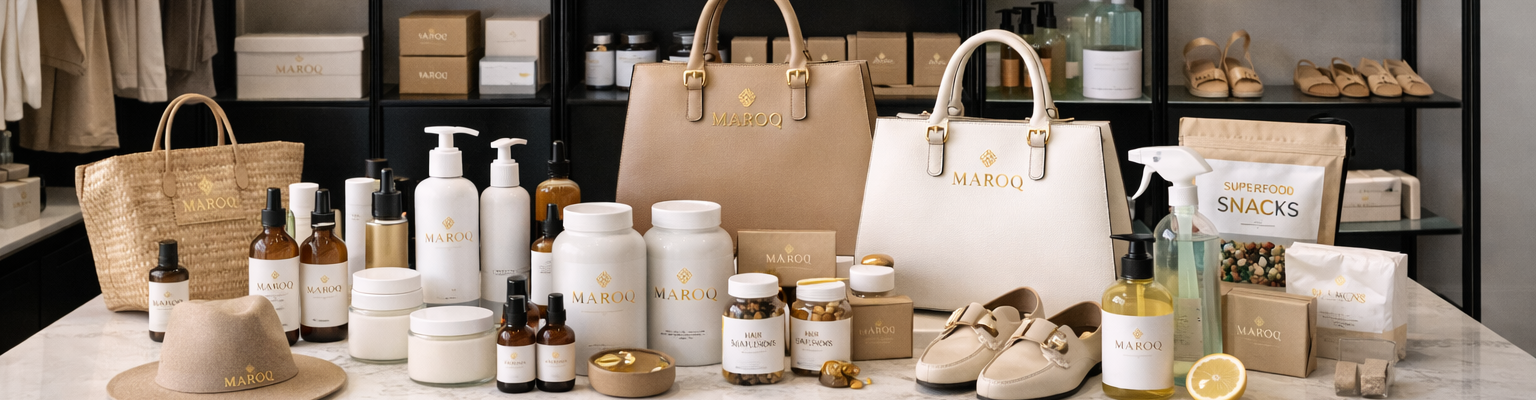
Private label gaat over eigenaarschap: jij bepaalt wat het product is, hoe het eruitziet, welke kwaliteit het heeft en welke belofte je merk maakt. Wanneer Marokko in beeld komt als productieland, ontstaan er kansen én vragen. De kosten kunnen lager liggen dan in Europa, maar het echte verschil zit vaak in vakmanschap, flexibiliteit en de mogelijkheid om kleinere series met hoge kwaliteit te realiseren. In deze categorie beschrijven we wat er in Marokko mogelijk is rond private label, zonder promotie en zonder bedrijven aan te bevelen.
Wat je hier kunt verwachten aan blogs
De artikelen in deze categorie zijn opgezet als praktische routekaart. Niet als “snelle succesformule”, maar als overzicht en verdieping van de stappen die vrijwel altijd terugkomen: van productidee en positionering tot leverancierskeuze, proefseries, kwaliteitsafspraken en documentatie. Alles in een B2B-context, met aandacht voor realistische doorlooptijden en het voorkomen van misverstanden in internationale samenwerking.
Van idee naar product: ontwikkeling, positionering en keuzes
Een sterk private label begint met scherpe keuzes: voor wie is het, wat moet het oplossen, en waar ga je je in onderscheiden? We schrijven over het vertalen van een idee naar specificaties: materialen, ingrediënten, afwerking, maatvoering, gebruik, houdbaarheid en verpakking. Ook behandelen we hoe je merkpositionering en productbeslissingen op elkaar laat aansluiten, zodat het eindproduct consistent aanvoelt en niet “bij elkaar geraapt”.
- Productdefinitie: wat is het precies en wat is het niet
- Specificaties: materialen/ingrediënten, afwerking, toleranties en prestatie-eisen
- Positionering: doelgroep, prijssegment en merkverhaal zonder loze claims
Marokko als productieland: kansen voor kwaliteit en kleinere series
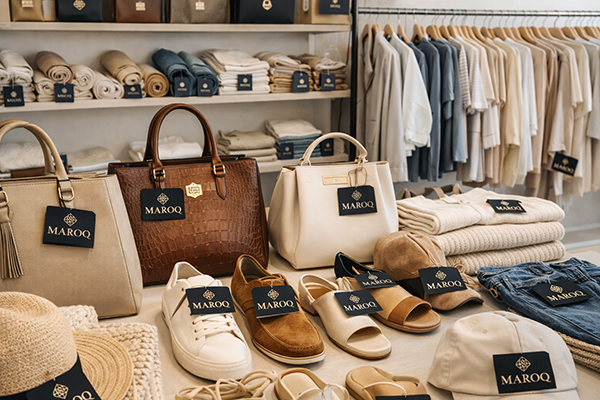
Marokko kan interessant zijn voor productie met vakmanschap en aandacht voor detail. In blogs binnen deze categorie beschrijven we waar je in de praktijk op let wanneer je productie in Marokko overweegt: capaciteit, seizoensinvloed, beschikbaarheid van grondstoffen, tooling, en hoe je van een proefserie naar herhaalbare kwaliteit gaat. We kijken ook naar productgroepen waar Marokko vaak in beeld komt, zoals schoonheidsproducten, lederwaren, fashion en andere goederen waarbij afwerking en materiaalkeuze sterk bepalend zijn.
- Kleine producties: hoe je kwaliteit borgt zonder enorme volumes
- Vakmanschap: afwerking, detailwerk en consistente output
- Realiteit: doorlooptijden, planning en het belang van duidelijke samples
Leveranciersselectie en het vastleggen van kwaliteitsafspraken
De keuze van een leverancier is zelden “de beste prijs”. Het gaat om betrouwbaarheid, communicatie, reproduceerbaarheid en de bereidheid om afspraken te volgen. We schrijven over hoe je leveranciers vergelijkt, welke vragen je stelt, en hoe je kwaliteitsafspraken concreet maakt: van tolerantiegrenzen en testcriteria tot inspectiemomenten en acceptatie bij levering. Ook behandelen we het belang van documentatie zodat kwaliteit niet afhankelijk is van één persoon of één moment.
- Selectie: criteria voor capaciteit, communicatie en kwaliteitsdiscipline
- QA-afspraken: controles, steekproeven, acceptatiecriteria en afwijkingsbeheer
- Continuïteit: herhaalbaarheid tussen batches en versiebeheer van specs
Verpakking, labels en claims: wat moet je aantoonbaar maken
Private label eindigt niet bij het product zelf. Verpakking, etiketten en claims zijn vaak net zo bepalend voor professionaliteit en compliance. In deze categorie beschrijven we hoe bedrijven omgaan met labelteksten, ingrediënten- of materiaalinformatie, waarschuwingen, barcodes, batchcodes en herkomstvermelding. Ook besteden we aandacht aan het verschil tussen “marketingtaal” en wat je daadwerkelijk moet kunnen onderbouwen met documentatie.
- Etikettering: inhoud, talen, batchcodes en traceerbaarheid
- Claims: wat je wel en niet kunt zeggen zonder bewijs
- Documentatie: fiches, specificaties en wat je bewaart voor audits of klanten
Route naar de markt: van proefserie naar schaalbaar proces
Een eerste levering voelt als een mijlpaal, maar de echte uitdaging is herhaalbaarheid. We schrijven over de route van prototypes en samples naar een stabiel proces: vaste specificaties, vaste checklists, duidelijke communicatie en planning die rekening houdt met internationale logistiek. Ook behandelen we wat er nodig is om op te schalen zonder dat de kwaliteit “wegloopt” of dat afspraken vervagen.
- Proefseries: leren, bijsturen en specs vastzetten
- Schaalbaarheid: processen die niet breken bij groei
- Betrouwbaarheid: afspraken, opvolging en meetbare kwaliteit
Wat deze categorie kan opleveren
Met de juiste structuur kan private label met Marokko leiden tot producten met een eigen identiteit, goede marge en consistente kwaliteit. Deze categorie helpt je de sector te begrijpen: welke stappen horen erbij, waar zitten de valkuilen, en hoe maak je van een idee een product dat je met vertrouwen kunt herhalen. Geen verkooppraat, maar inzicht en registratie van wat er in de praktijk bij komt kijken.
Tot slot
Deze categorie gaat over registratie en inzicht in private label rond Marokko binnen internationale B2B: van productontwikkeling en packaging tot leverancierskeuze, kwaliteitsafspraken en documentatie. Zo kun je beter inschatten wat nodig is om duurzaam en professioneel te bouwen aan je eigen productlijn.